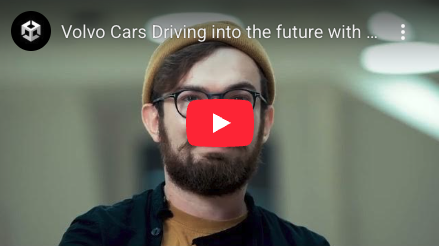
What opportunities and risks do you see in digital twins, automation and physical AI?
Timmy Ghiurau: Automation, robots and physical AI present major opportunities, but we must pay attention to how humans use the time they gain back. With self driving cars, we assumed people would use freed time well, but many simply scrolled social media. That raises questions about whether we should guide healthy behavior. Interacting with AI agents can reduce cognitive load, but it can also erode critical thinking. We start thinking in boxes and prompts, acting more like machines. That weakens empathy and communication. This is why I believe cultural and narrative development is as important as technological progress. Without it, we risk designing systems that shape us in ways we do not fully understand.
How do you think society should respond to these risks and shape a better tomorrow?
Timmy Ghiurau: Everyone has a responsibility to act, but it is easier to raise your voice when you have something concrete to show. Europe faces a systemic issue because owning the narrative requires owning infrastructure like data centers and GPUs. Otherwise we build on foundations controlled elsewhere. Change must happen holistically across policy and technology. Politics without technology is blind and technology without politics is naive. I never liked engaging in politics, even inside companies, but I learned it is necessary. You need to recognize your talent, the tools you hold and what your community needs. Building value around you lets impact grow outward. Shouting without building leaves no space for meaningful engagement.
What are the design principles that guide your approach?
Timmy Ghiurau: A key idea for us is encouraging faster distribution and bottom up innovation. Many EU initiatives work top down, giving large frameworks before understanding what the market needs. In Europe, we often “try to play jazz for a pop audience” meaning we overcomplicate processes through consortiums, long debates and heavy standards. These are useful at certain stages, but they slow down early experimentation. The market and the public need opportunities to engage with prototypes sooner, which creates pressure that fuels iterative innovation. Starting small reduces the fear of adjusting complex systems. That is one of the biggest issues we face across European projects.
How can bottom-up innovation actually happen in practice?
Timmy Ghiurau: It starts with practicing what we preach. There is a lot of talk and not enough walking. We need concrete examples that others can reference. I try to do this by working with universities in Sweden and Romania and showing engineering students how XR and AI can be integrated early. Multidisciplinary teams should form at the start rather than being added because a funding proposal requires it. We need to adjust learning and working methodologies to reflect how this technology actually operates. When principles are demonstrated in real projects, it becomes easier for institutions and partners to adopt them.
What collaborations are necessary to unlock the next breakthroughs in immersive tech?
Timmy Ghiurau: We need better mechanisms for collaboration among academia, startups and large industry. Corporates should lower the entry threshold so smaller companies can bring solutions into their pipelines. In big companies, purchasing and legal processes can take months and many small companies cannot survive that delay. Academia in Europe should become more responsive rather than reactive. Still, I see promising initiatives in Germany, Sweden and Spain where labs and industries collaborate well. We have the venues and conferences to meet, but we need to make it easier for new players to participate and contribute.
What gives you hope when you imagine the coming decade?
Timmy Ghiurau: Europe has a rich foundation of art and culture that we can build on. I have seen positive signs in the past year as companies, investors and institutions acted more proactively due to geopolitical pressure. Stricter regulations can slow things down, but they also support healthier development and more thoughtful decisions. Despite slower innovation loops, having frameworks in place helps shape a society that reflects shared values. These shifts make me optimistic about the future of immersive tech and cultural production. There is a renewed energy around collaboration and a willingness to rethink how creativity and technology interact across Europe.
What does Inspiring Tomorrow’s World mean to you personally?
Timmy Ghiurau: For me it means returning to the creative force that Europe already has and creating new incentives to support it. I believe creative industries can reach a new level by combining design, development, economy and narrative exploration. Working on future scenarios with Alex McDowell showed me how powerful it is to imagine 2050 worlds grounded in research. Minority Report influenced me early on and later I got to work with him using world building to map long term signals. These frameworks help us see where Europe can regain leadership in creativity. There is high potential if we continue building spaces where these ideas can grow.
Thank you for reading. You’ll find more valuable content like this during ITW:
Immersive Tech Week happens in Rotterdam, the Netherlands, from June 23rd until June 26th.
Super early bird tickets are already live, click here to get yours.
Don’t forget to sign up to our newsletter, and keep up with updates from our event, Spatial UX and much more XR related content.