XR in healthcare is moving faster than systems can absorb it. That’s the honest starting point. The applications are real and varied – VR ECMO trains clinicians on life-support systems without expensive hardware or risk to patients. VR NeuroLink AI tracks balance and posture disorders in neurological patients, tested on over 1,000 people. LIMIAR puts care professionals inside real ethical dilemmas from residential care. DHYANA.ai combines spatial audio, AI guidance, and biofeedback for adaptive wellbeing. These aren’t concepts – they’re ventures being built right now.
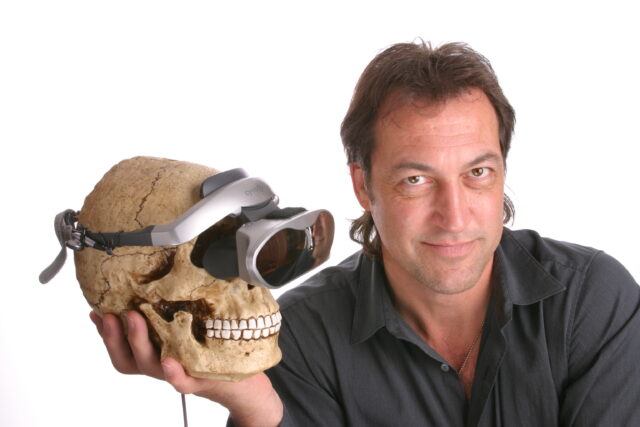
But adoption is uneven and the ethical implications are still being worked out. Ross O’Brien maps where the sector is moving ahead of its own readiness. Skip Rizzo brings 30 years of clinical VR research to the question of AI virtual humans – what they can do, and where the boundaries must be. And the ecosystem session examines how networks like DUTCH, SHINE, and the XR Health Business Club are trying to connect fragmented regional initiatives into something that actually scales across Europe.
It’s not just about what’s possible. It’s about what it takes to make it stick.